
Through restoration, wildlife management, scientific collaboration, and education, Kishindo is helping create a future where ecosystems recover, species thrive, and people reconnect with the natural world.
Kishindo is dedicated to long-term conservation rooted in ecological restoration, responsible wildlife management, biodiversity protection, and sustainable stewardship.
Our conservation work focuses on rebuilding resilient ecosystems that support vulnerable species, strengthen ecological balance, and create meaningful opportunities for future generations to experience and value the natural world.
Through practical conservation initiatives, research, habitat restoration, and responsible eco-tourism, we continue to develop a landscape where wildlife and people can thrive together.
From the very beginning, Kishindo has focused on developing practical conservation approaches that contribute to long-term ecological resilience and responsible land stewardship.
Our work is guided by:
We believe conservation should not only protect wildlife today, but also help create healthier ecosystems for generations to come.
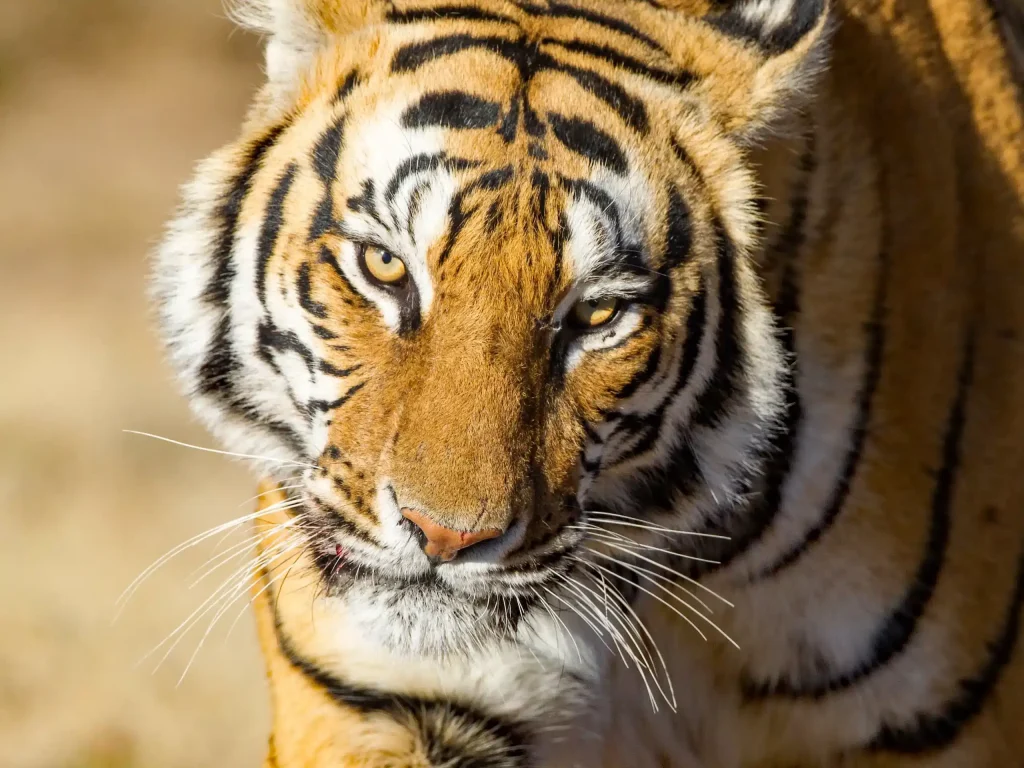

The Tiger Canyon Project remains one of the world’s most ambitious conservation initiatives involving ambassador tigers within a large managed wilderness environment.
Over multiple generations, the project explored how tigers could adapt to the landscape while displaying natural behaviours including hunting, territorial movement, and ecological interaction within a carefully managed conservation setting.
The project helped expand international conservation discussions while contributing to broader understanding around predator management, restoration, and wildlife conservation.
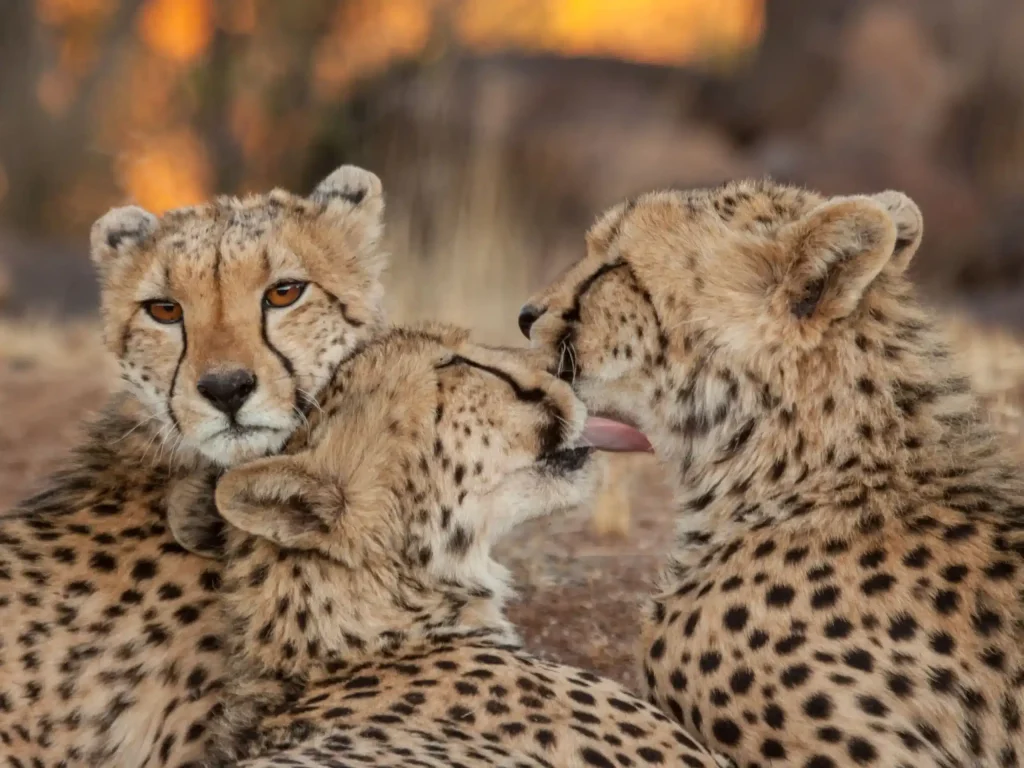

The Cheetah Wild Project contributes to cheetah conservation through responsible wildlife management, habitat protection, and long-term conservation planning.
By creating suitable habitat and supporting healthy ecological systems, Kishindo aims to contribute to the long-term survival and wellbeing of cheetah populations within protected landscapes.
The project also supports broader conservation goals by helping protect biodiversity and ecological stability across the reserve.
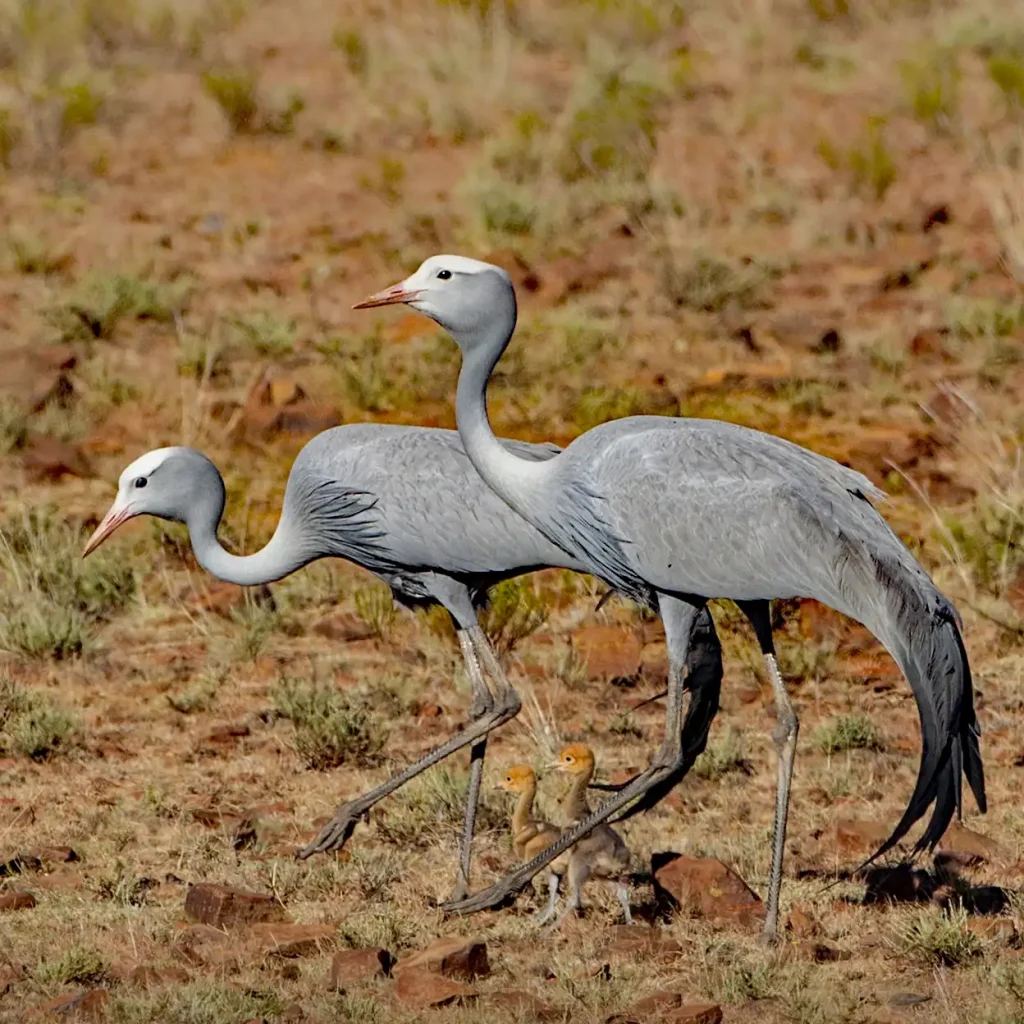

The Re-Wilding Project focuses on restoring natural habitats, rebuilding ecological resilience, and supporting biodiversity recovery across the landscape.
Through habitat restoration, responsible land management, and ecological rehabilitation, Kishindo works to create environments where wildlife populations and natural ecological processes can recover and thrive.
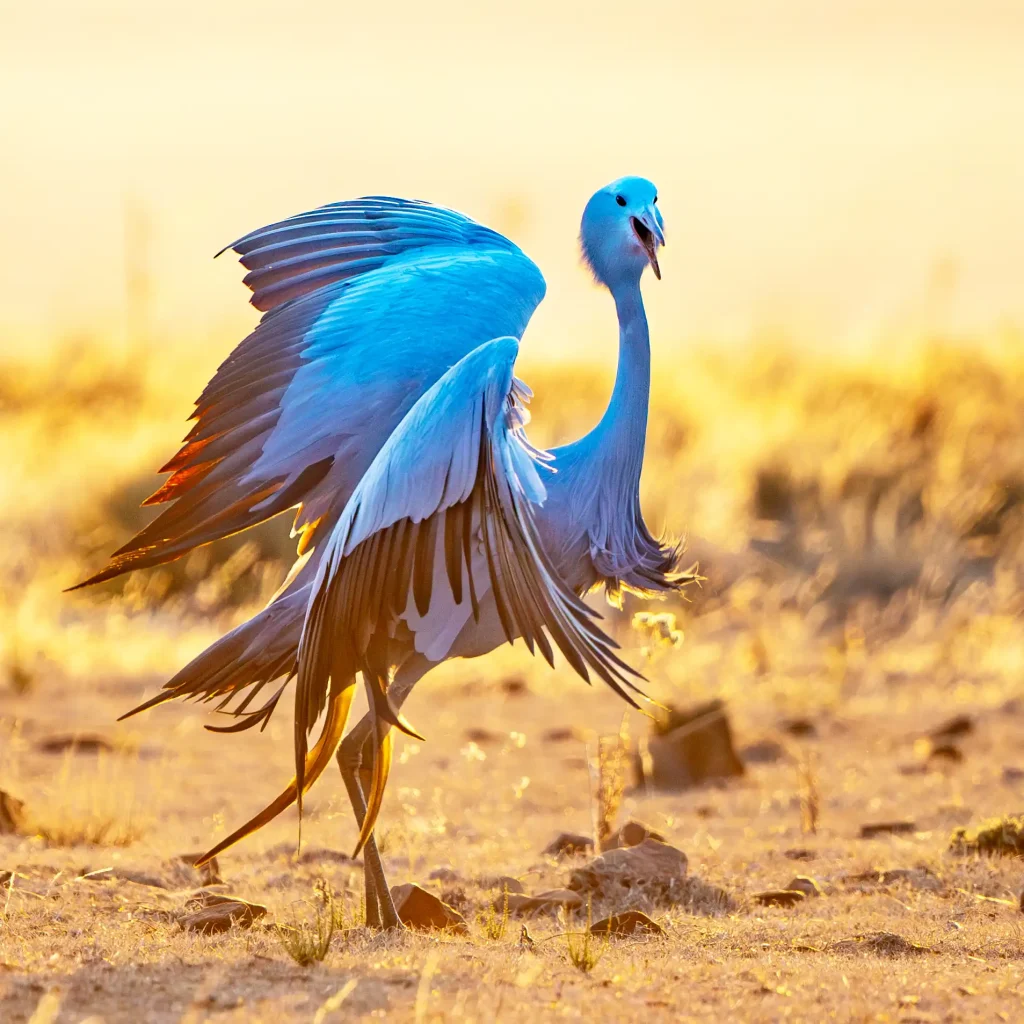
Species including blue cranes, black wildebeest, mountain zebra, aardwolf, and various antelope species benefit from ongoing habitat restoration initiatives.
Conservation is about more than protecting individual species.
Healthy ecosystems provide balance, resilience, biodiversity, clean water systems, climate regulation, and opportunities for future generations to experience and value the natural world.
Every conservation effort contributes to a broader environmental legacy.
Under restoration and responsible management.
Supporting biodiversity and ecological resilience.
Including birdlife, predators, and native wildlife.
Kishindo’s long-term vision depends on restoration, stewardship, collaboration, and responsible conservation tourism.
By visiting the reserve, supporting our projects, or sharing our conservation story, you become part of a growing effort to protect wildlife, restore landscapes, and contribute to a more sustainable future.