
The Tiger Canyon Project explores how ambassador tigers can reclaim natural behaviours within a managed wilderness landscape, contributing valuable insights to future conservation initiatives.
Set within the breathtaking canyons and wilderness of Kishindo.
Carefully managed to support natural behaviours and long-term conservation goals.
Ethical tourism that supports restoration, research, and wildlife protection.
Inspiring guests and future generations through learning and meaningful experiences.
Focused on ecological restoration, biodiversity, and sustainable conservation.

The majestic tiger, an apex predator and iconic symbol of strength, freedom and wild places, is sadly facing extinction with less than 5500 tigers left in the wild, and 13,000 tigers living in captivity in Asia and the US alone.
The Tiger Canyon Project is one of the world’s most ambitious conservation initiatives involving ambassador tigers within a large managed wilderness environment.
Developed within the restored landscapes of Kishindo, the project explores how tigers can adapt to expansive natural terrain while displaying instinctive behaviours such as hunting, territorial movement, social interaction, and environmental adaptation.
More than a wildlife experience, Tiger Canyon represents a long-term conservation journey focused on ecological understanding, responsible stewardship, education, and conservation awareness.
The Tiger Canyon Project was developed to explore new conservation perspectives while contributing to broader discussions around predator conservation and ecological restoration.
Over multiple generations, the tigers at Kishindo adapted to a large managed wilderness landscape where natural behaviours could be observed and studied within a carefully monitored conservation environment.
The project became internationally recognised for its innovative approach and continues to inspire conversations around conservation, restoration, and environmental responsibility.
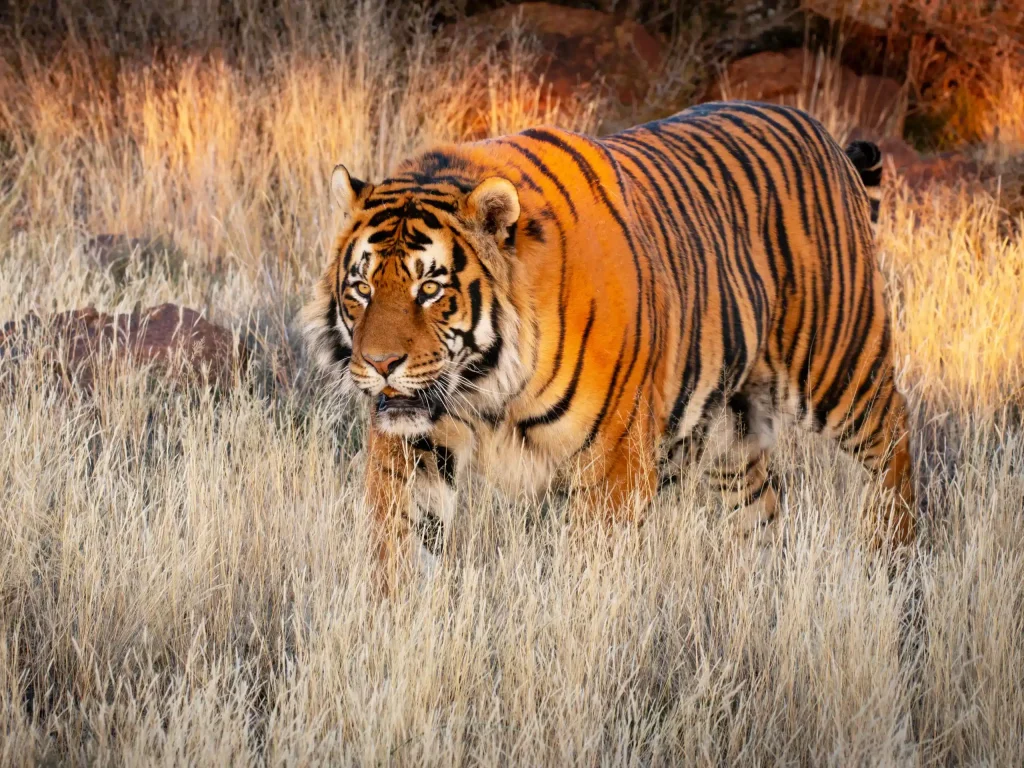
The Tiger Canyon Project has inspired global conservation conversations through its innovative approach to predator conservation and ecological restoration.
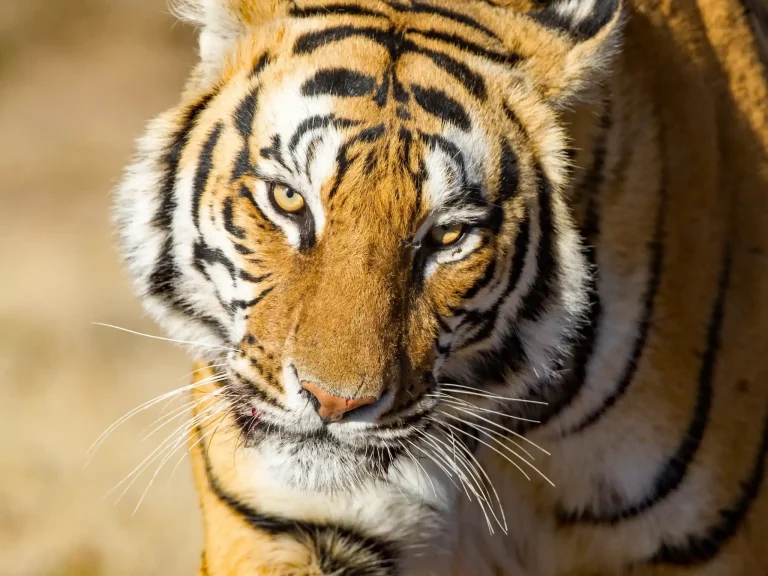
The tigers of Kishindo inspire awareness, appreciation, and a deeper understanding of wildlife conservation and the importance of protecting our natural world.
Tigers are iconic and endangered predators. Their story helps educate and inspire action to protect biodiversity and ecosystems worldwide.

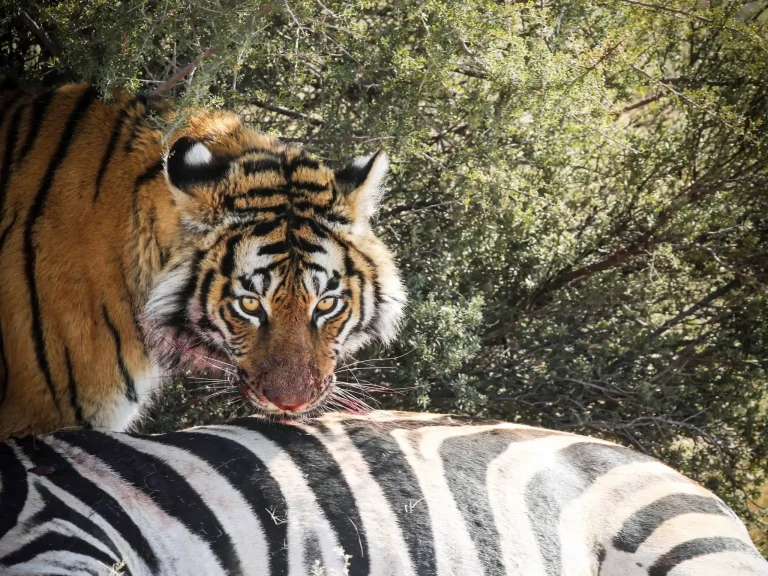
Our tigers live in a vast natural landscape where they can exhibit natural behaviours including hunting, territory movement, social interaction, and environmental adaptation.
Every encounter becomes an opportunity to learn, connect, and support conservation.

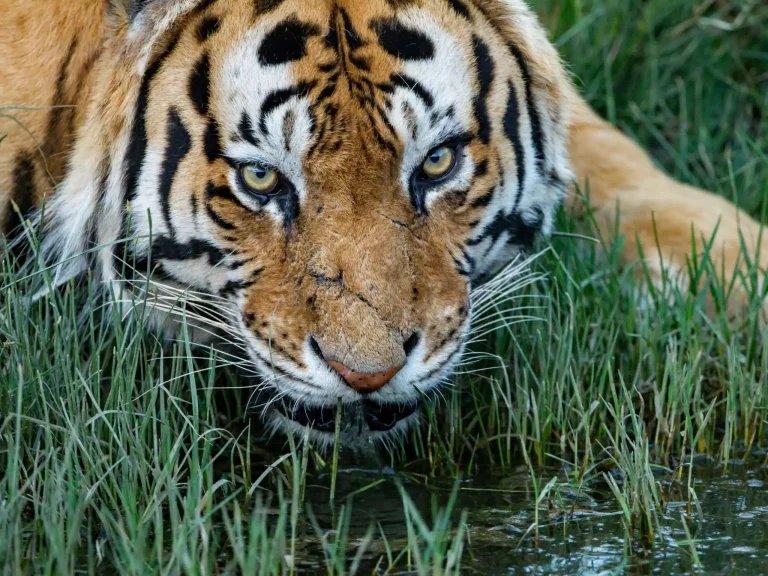
Witness instinctive behaviours such as stalking, tracking, swimming, territorial marking, and social dynamics within a natural environment.
These observations provide valuable insight into the complexity and intelligence of one of the world’s most powerful predators.

Dramatic landscapes, natural light, and close conservation encounters create extraordinary photography opportunities.
Every photograph helps tell a story that raises awareness and inspires a deeper connection with nature.
Every visit helps support the future of conservation.
Tourism contributes directly to:




White tigers are not a separate species or subspecies. Their pale coat is a rare, naturally occurring recessive colour variation that can appear in normal-coloured tiger lineages. It is distinct from albinism: white-coated tigers retain pigment in their eyes and stripes, while albinism typically results in a complete loss of pigment.
At Kishindo, we do not treat colour as a conservation goal or a breeding objective. Our guiding principle is genetic strength and welfare, and we will not breed specifically for white tigers.
Mishka is our white-coated tiger will live out her life here under lifetime care, with welfare as the priority. We have made this decision because breeding for colour is widely associated with welfare and genetic concerns in captive settings, and it can distract from the conservation priorities that matter most: protecting habitat, preventing poaching, and supporting healthy, naturally functioning populations.

The presence of white tigers adds to the uniqueness of the project. These rare animals contribute to conservation education and genetic understanding while inspiring visitors from around the world.
Every tiger remains part of a larger conservation story rooted in stewardship, responsibility, and respect for nature.
Conservation is built through responsibility, awareness, collaboration, and long-term commitment.
The Tiger Canyon Project continues to contribute to global conservation conversations while inspiring visitors to value and protect the natural world.