
The Re-Wilding Project transforms former farmland into thriving wilderness, restoring habitats, ecological processes, and opportunities for wildlife to flourish once again.
Set within the breathtaking canyons and wilderness of Kishindo.
Carefully managed to support natural behaviours and long-term conservation goals.
Ethical tourism that supports restoration, research, and wildlife protection.
Inspiring guests and future generations through learning and meaningful experiences.
Focused on ecological restoration, biodiversity, and sustainable conservation.

Big cats need space, time, and functioning habitat. At Kishindo, rewilding is the ongoing work of restoring a recovering landscape and supporting the ecological processes that allow wildlife to live and move with greater freedom.
The Re-Wilding Project at Kishindo focuses on restoring natural ecosystems, rebuilding biodiversity, and creating landscapes where wildlife can once again thrive naturally.
Through habitat recovery, responsible land management, ecological restoration, and long-term stewardship, the project contributes to rebuilding resilient ecosystems that support both wildlife and environmental sustainability.
What was once transformed farmland is gradually evolving into a functioning wilderness landscape shaped by restoration, biodiversity recovery, and natural ecological processes.
Time spent in restored wilderness landscapes creates opportunities to reconnect with nature in meaningful ways.
At Kishindo, visitors experience landscapes shaped by restoration, silence, open space, wildlife encounters, and ecological recovery.
Whether observing wildlife, hiking through recovering habitats, photographing restored landscapes, or simply experiencing the stillness of nature, the reserve offers opportunities to reconnect with the natural world.
Responsible wildlife management and habitat restoration have helped support the return and protection of various species across the reserve.
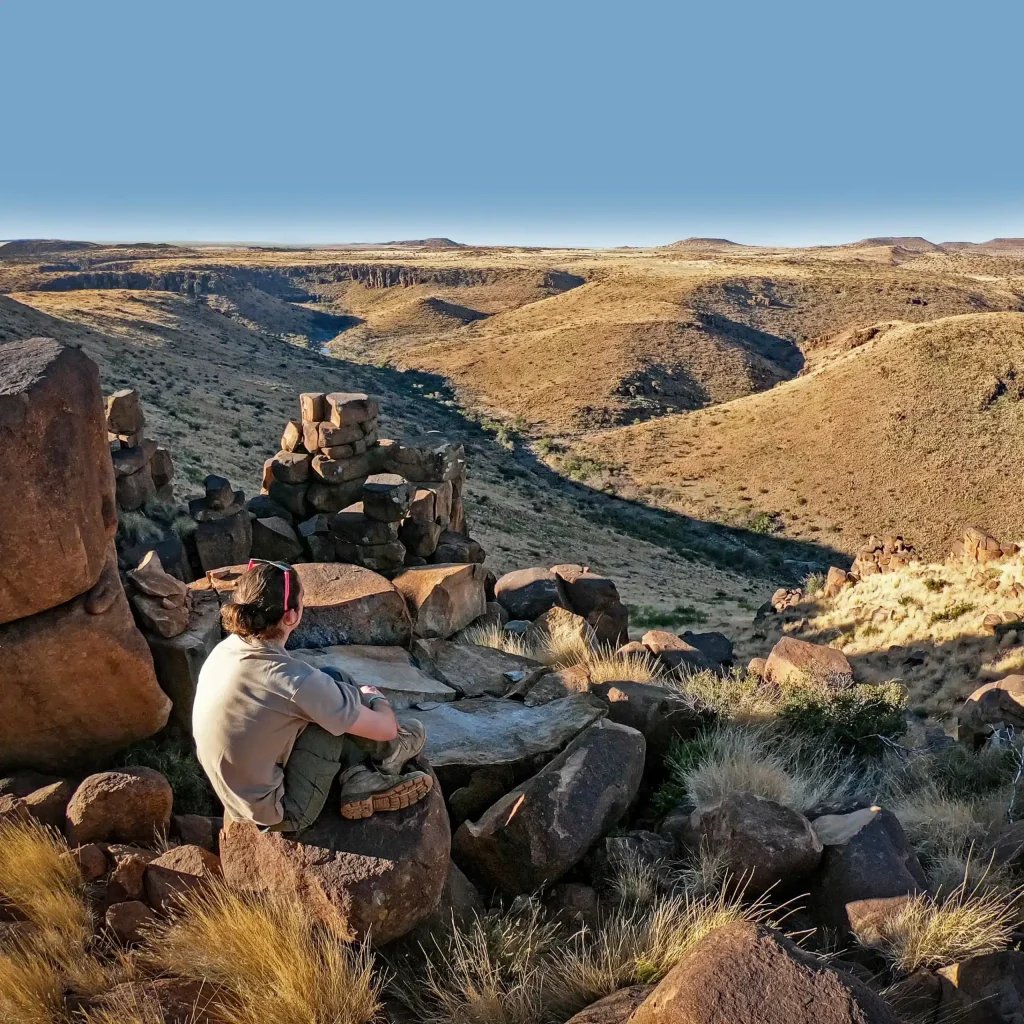
The Re-Wilding Project focuses on restoring grasslands, river systems, native vegetation, and ecological processes that support wildlife and environmental resilience across the reserve.
Healthy ecosystems depend on biodiversity, habitat connectivity, and functioning natural systems. Restoration efforts help rebuild environmental balance over time.
The project creates environments where wildlife species can return, adapt, and thrive within a healthier and more resilient landscape.
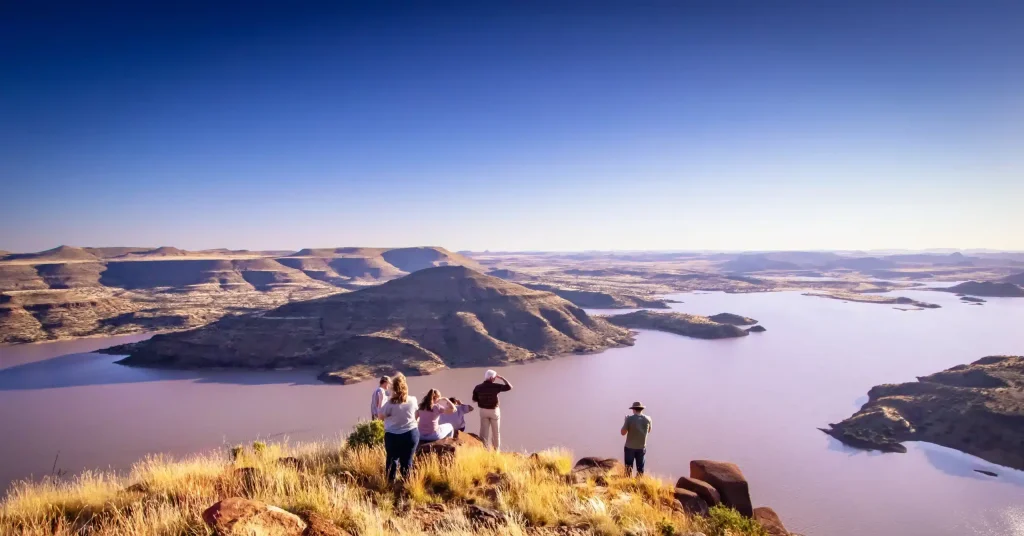
Restoration at Kishindo is a gradual process built on patience, ecological understanding, and responsible stewardship.
Through habitat rehabilitation, erosion control, vegetation recovery, and sustainable land management, the reserve continues rebuilding landscapes that support biodiversity and ecological resilience.
Each restored habitat contributes to healthier ecosystems and a stronger future for wildlife and nature.
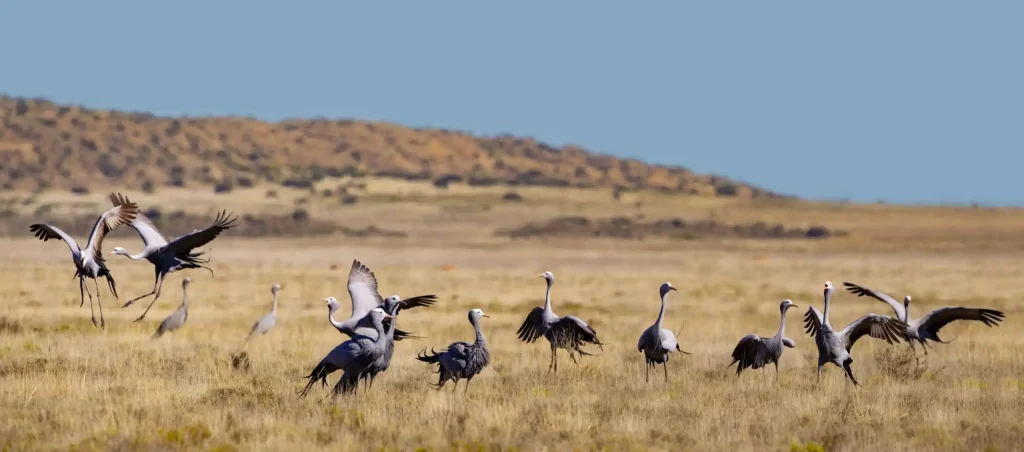
The recovery of natural habitats allows ecological systems to strengthen over time.
Grasslands regenerate, water systems improve, vegetation returns, and biodiversity begins to expand as landscapes recover from past environmental pressures.
This restoration process supports healthier ecosystems capable of sustaining wildlife populations and natural ecological processes for future generations.
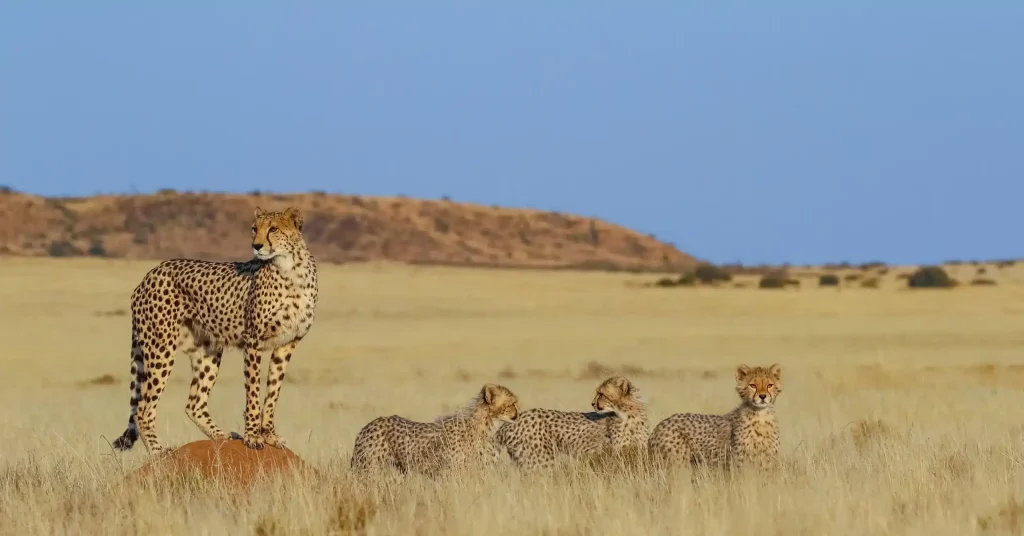
Responsible wildlife management and habitat restoration have helped support the return and protection of various species across the reserve.
Species including antelope, birdlife, smaller predators, and native wildlife contribute to a more balanced and functioning ecosystem.
The restoration of biodiversity remains central to the long-term conservation vision of Kishindo.
Healthy ecosystems depend on:
Each element contributes to a stronger and more stable natural environment.
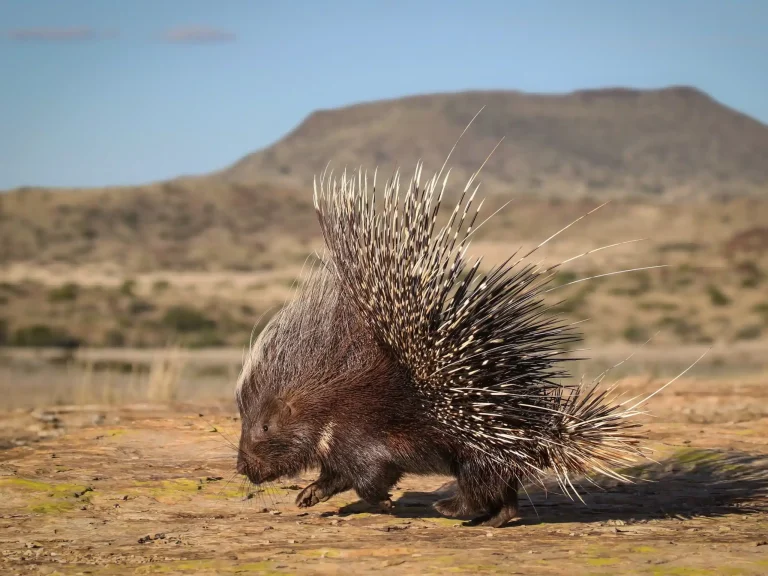
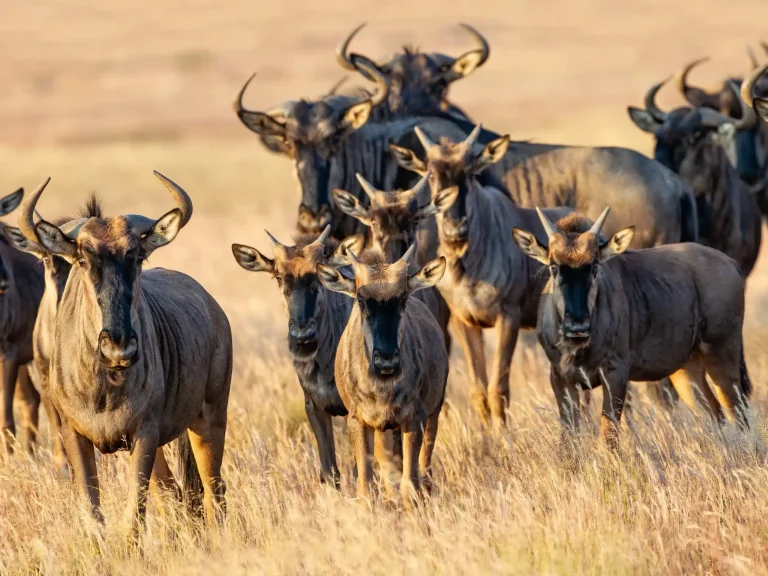
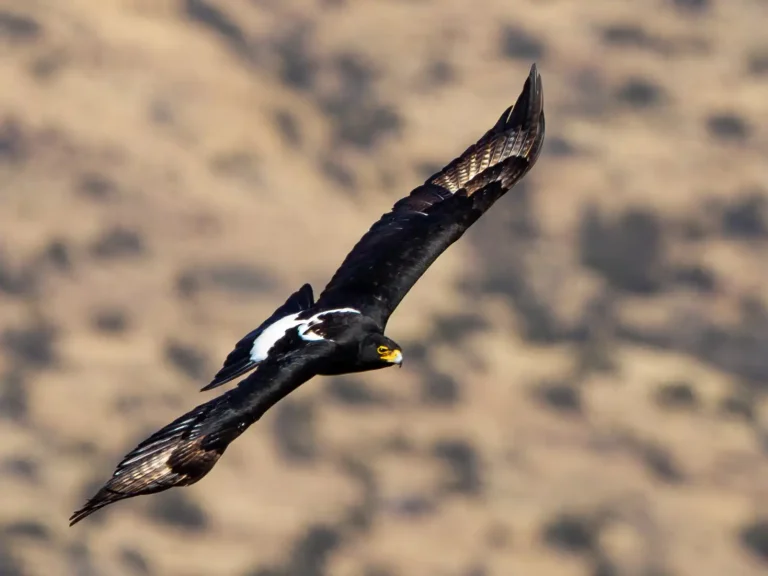
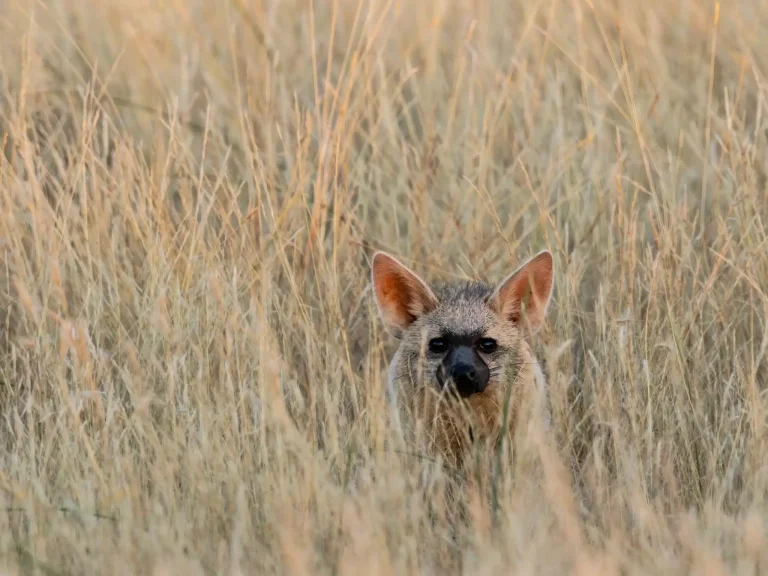
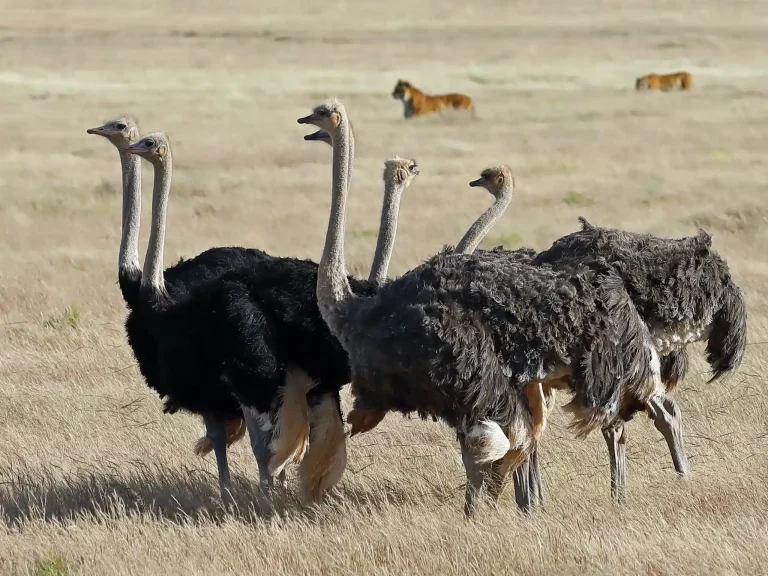
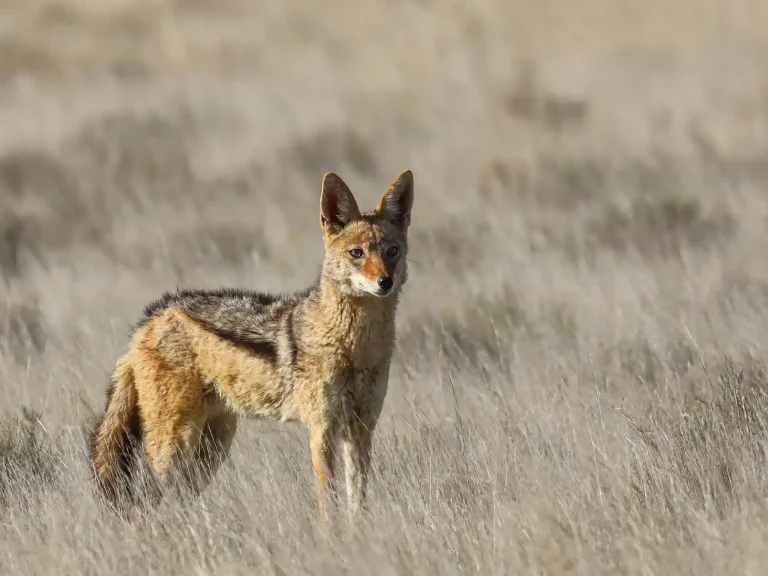
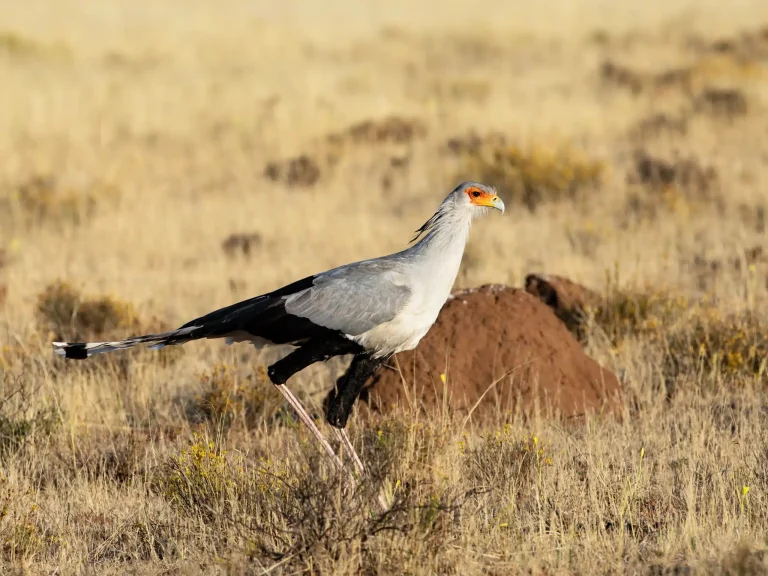

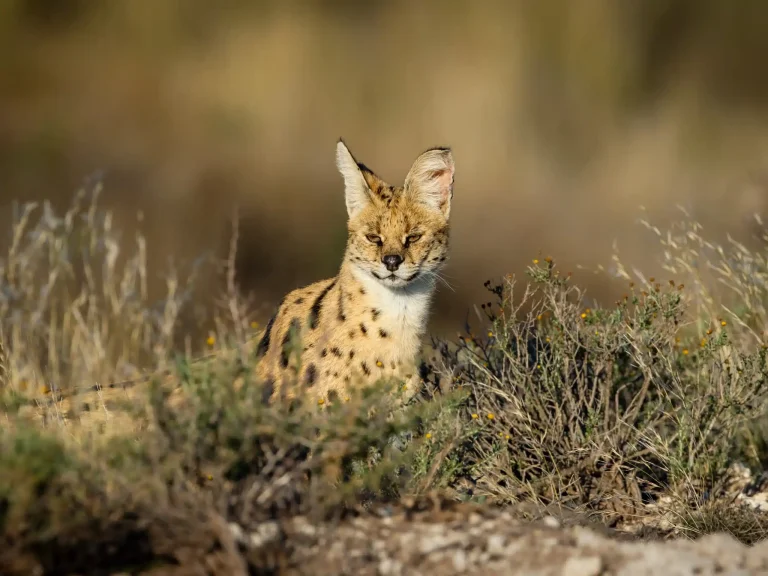
A thriving landscape supports a diversity of wildlife species.
Through ongoing restoration initiatives, Kishindo has helped create environments that support antelope species, vulnerable birdlife, smaller predators, insects, reptiles, and native vegetation communities that all contribute to ecological stability.
Every species plays a role within the larger ecological system.
The Re-Wilding Project also contributes to broader environmental learning and ecological understanding.
By working alongside conservation professionals, researchers, educators, and restoration specialists, Kishindo supports conversations around biodiversity recovery, ecological resilience, and sustainable conservation practices.
Knowledge strengthens restoration efforts.
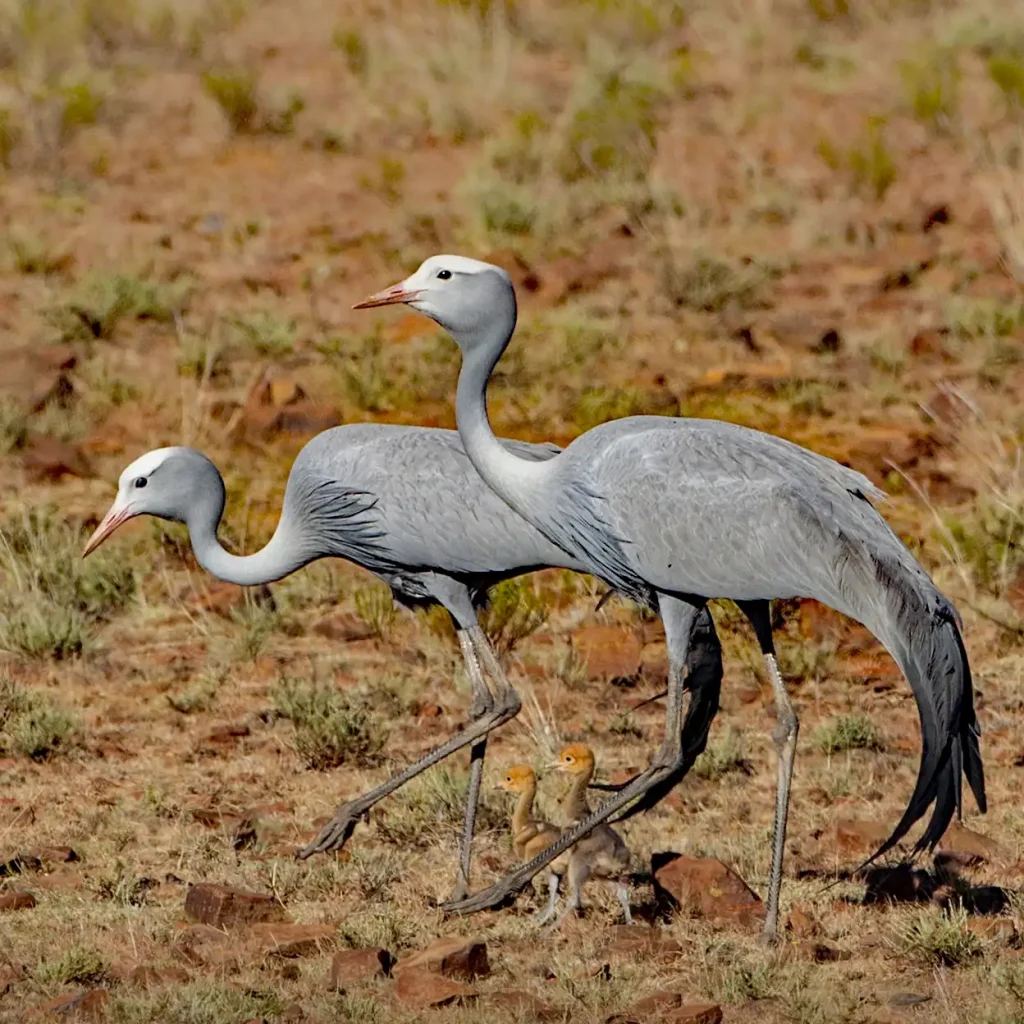
The landscapes at Kishindo continue to evolve through restoration, biodiversity recovery, and ecological stewardship.
Every season reveals new growth, recovering habitats, returning wildlife, and healthier ecosystems that reflect the long-term commitment behind the Re-Wilding Project.
The work continues every day.
Ecological restoration requires patience, responsibility, collaboration, and long-term commitment.
The Re-Wilding Project reflects Kishindo’s dedication to rebuilding ecosystems, protecting biodiversity, and creating a future where nature can continue to thrive.