The Cheetah Wild Project supports South Africa’s national cheetah metapopulation while advancing conservation, education, and long-term species recovery.
Through ongoing restoration initiatives, Kishindo continues rebuilding habitats that support wildlife movement, environmental balance, and long-term sustainability.
Carefully managed conservation practices help support predator wellbeing, habitat recovery, and long-term ecological health across the reserve.
Responsible eco-tourism directly supports restoration, wildlife management, conservation education, and environmental stewardship initiatives.
Conservation experiences help inspire understanding, learning, and appreciation for vulnerable species and ecological protection.
The project remains focused on sustainability, restoration, biodiversity protection, and protecting landscapes for future generations.
The cheetah is one of Africa’s most vulnerable big cats.
Historically, they roamed vast grasslands and hunted antelope across open country.
The Cheetah Wild Project at Kishindo supports the conservation of one of Africa’s most vulnerable predators through habitat restoration, ecological stewardship, responsible wildlife management, and long-term conservation planning.
Set within the restored wilderness landscapes of Kishindo, the project contributes to broader efforts focused on biodiversity protection, predator conservation, and creating environments where cheetahs can thrive naturally.
Through conservation-focused tourism, education, and ecological restoration, the project also helps raise awareness around the challenges facing cheetahs across Africa today.
The Cheetah Metapopulation Project is coordinated by the Endangered Wildlife Trust (EWT), a South African non-profit conservation organisation established in 1973. The project manages cheetah across a network of fenced reserves as a single, connected population. In practice, this means coordinated planning, monitoring, and carefully managed movements between reserves to support healthy population structure and long-term genetic viability.
Because these protected areas hold only small numbers of cheetah, this approach helps maintain stable, well-managed populations within secure landscapes, while expanding the resident range of cheetah across southern Africa through conservation-led placements and translocations. In recent years, this coordinated work has also supported broader range-expansion efforts, including cross-border conservation moves within Africa.
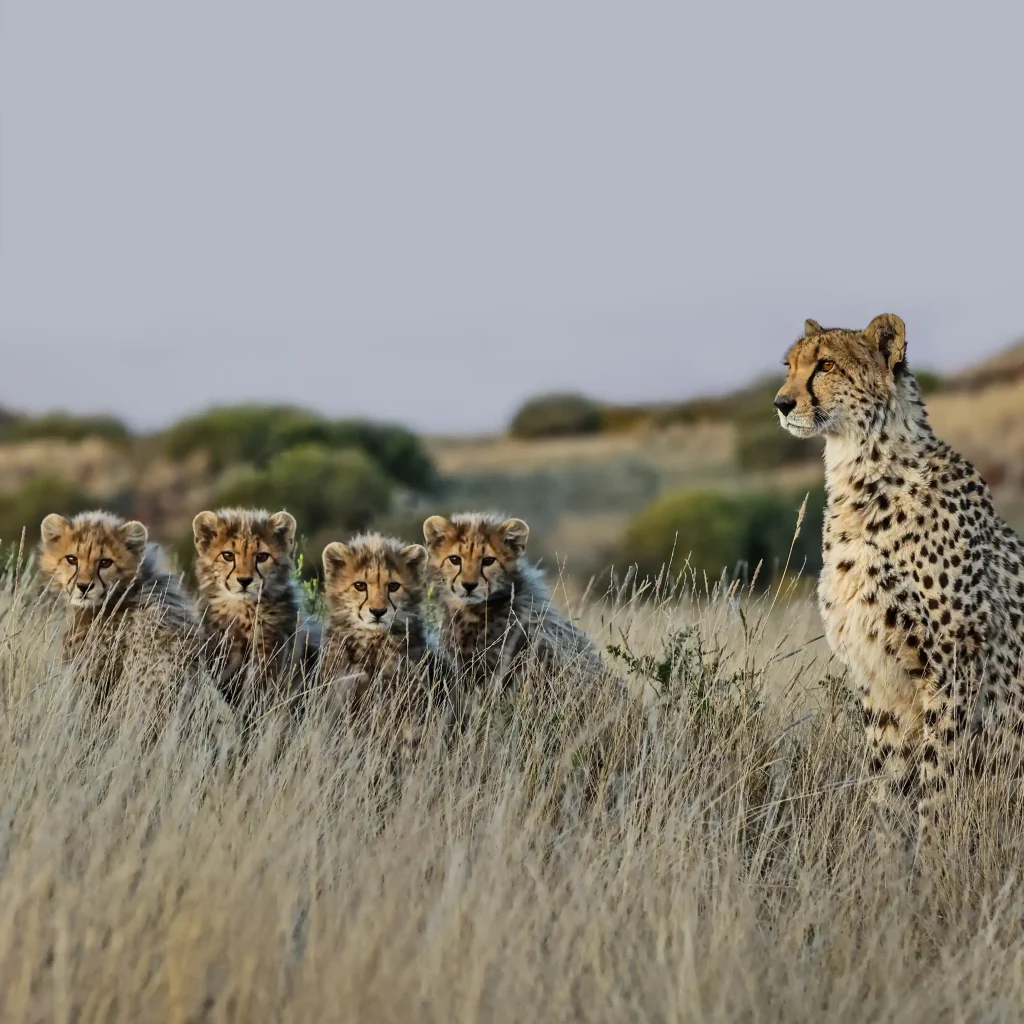
Cheetahs face increasing pressure from habitat loss, declining prey populations, and fragmented ecosystems. The project contributes to broader conservation discussions focused on protecting biodiversity and strengthening ecological resilience.
By restoring habitats and supporting healthy ecosystems, Kishindo helps create landscapes capable of supporting wildlife while contributing to long-term environmental sustainability.
Responsible wildlife experiences allow guests to develop a deeper understanding of cheetahs, predator conservation, and the importance of protecting vulnerable species for future generations.
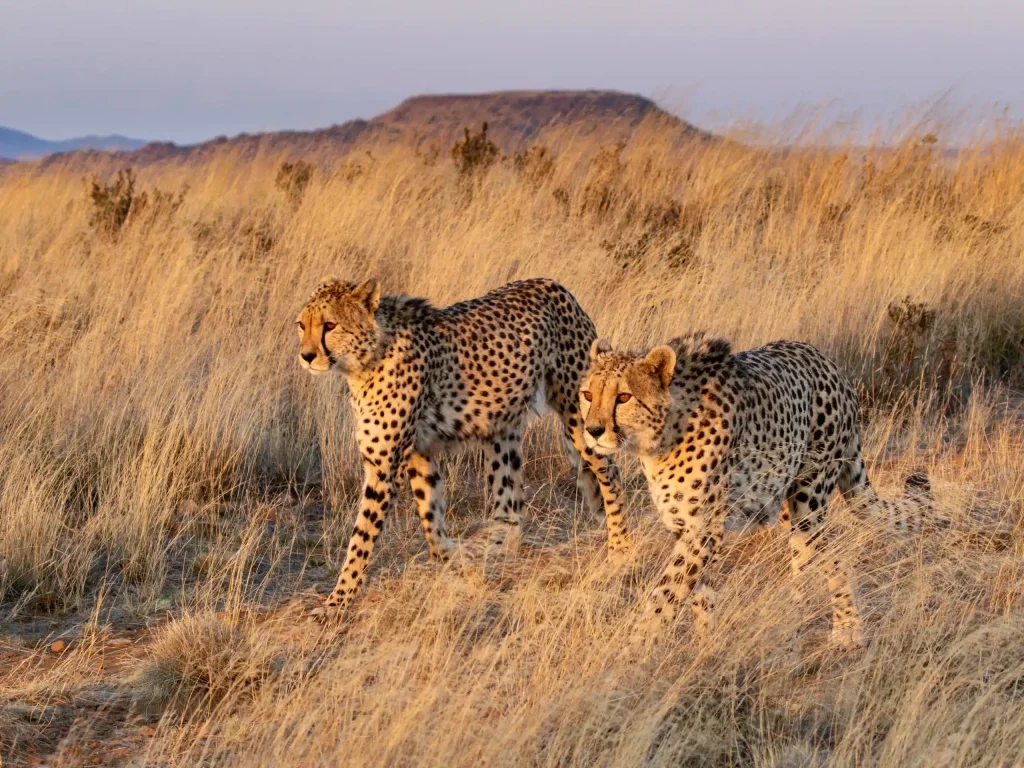
The cheetahs at Kishindo live within expansive natural landscapes that support instinctive behaviour, environmental adaptation, and ecological balance.
Every encounter becomes an opportunity to appreciate the speed, intelligence, and vulnerability of Africa’s fastest predator while supporting conservation awareness and restoration initiatives.
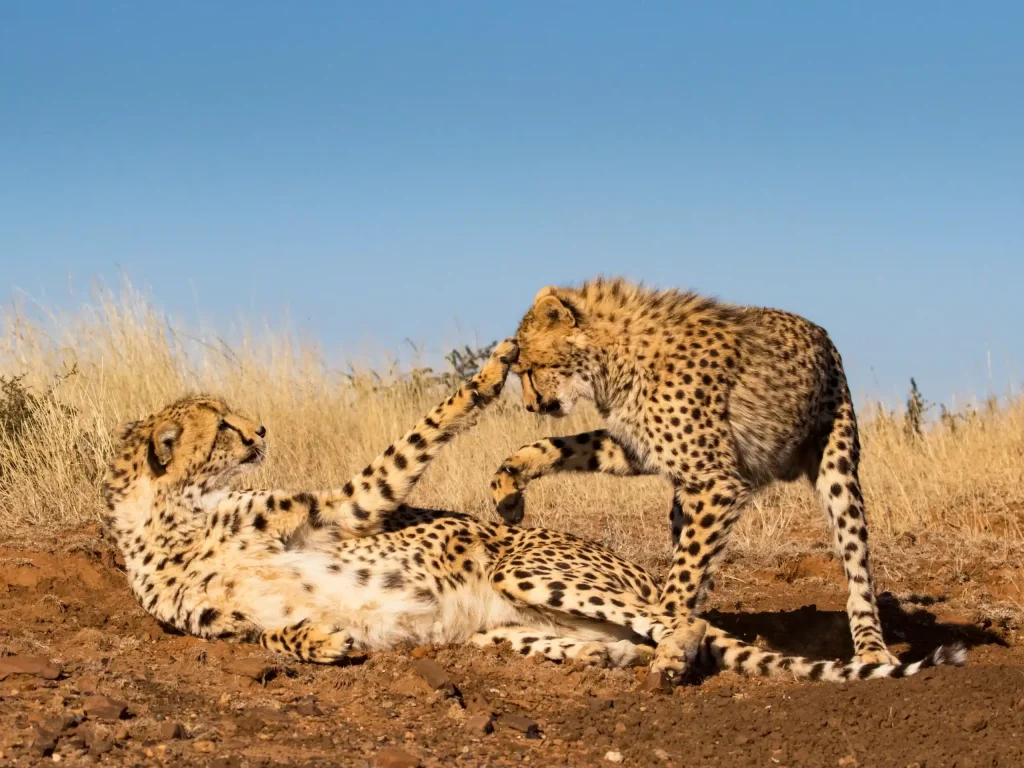
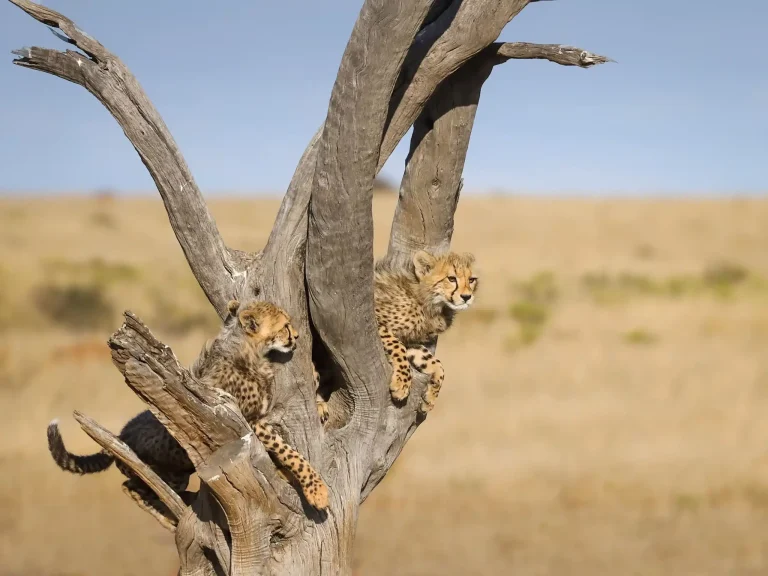
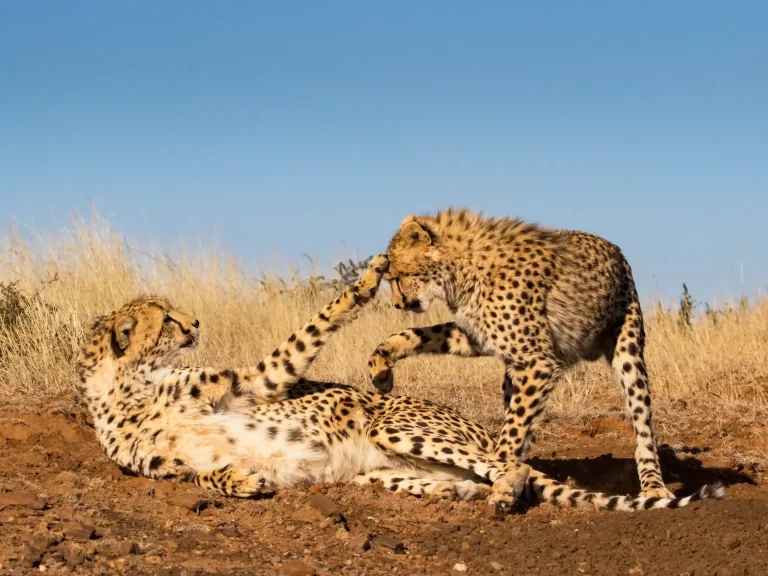
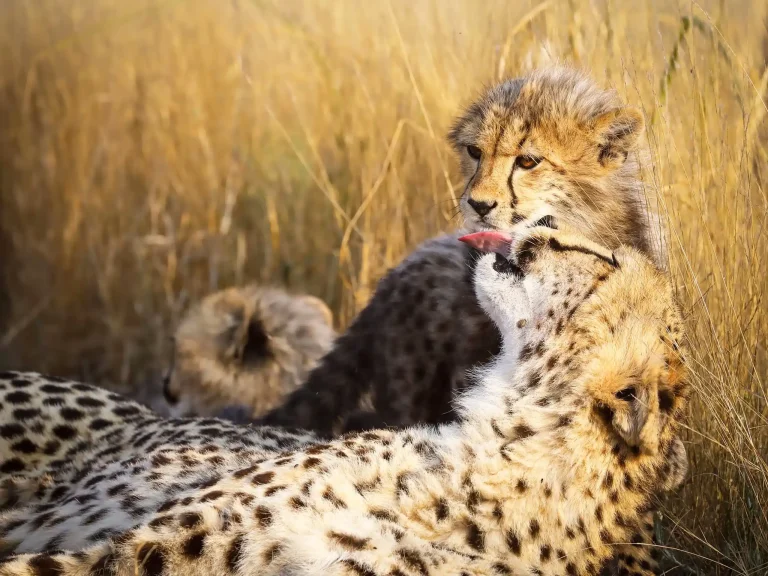
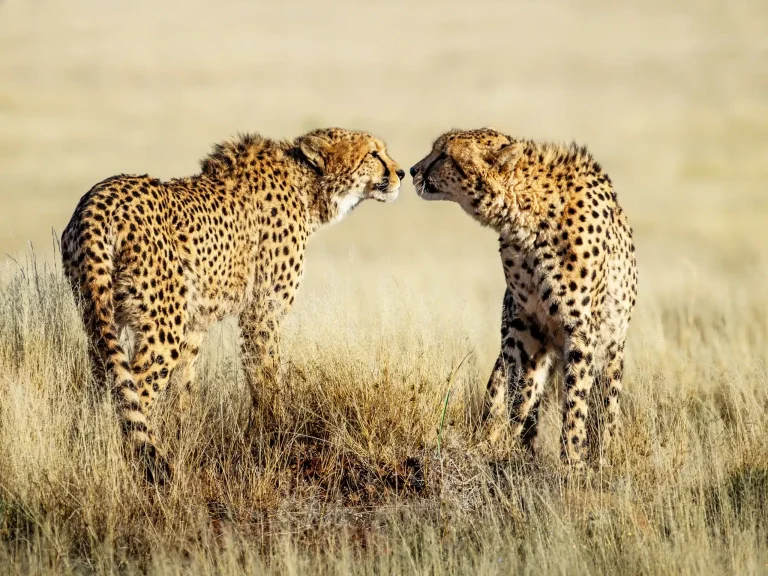
Guests may observe natural cheetah behaviours including tracking, territorial movement, social interaction, environmental awareness, and predator adaptation within a restored wilderness landscape.
These experiences provide valuable insight into the complexity and survival strategies of one of Africa’s most remarkable predators.
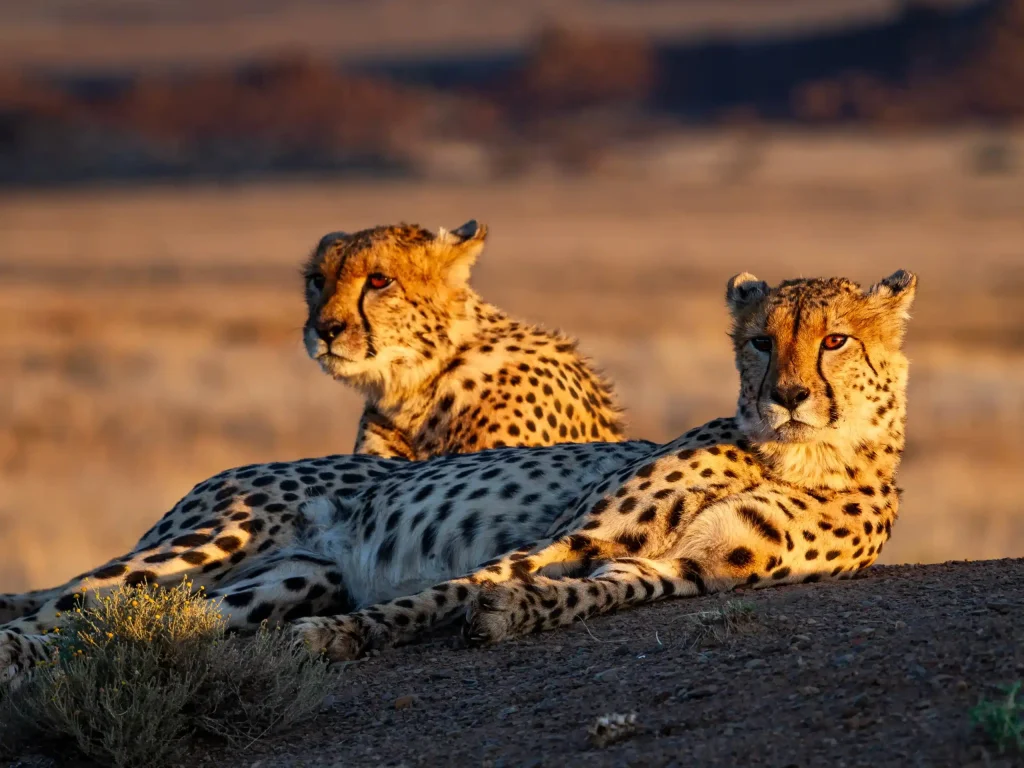
The open grasslands, dramatic light, and natural behaviour of cheetahs create exceptional opportunities for wildlife photography and conservation storytelling.
Every image captured helps raise awareness and inspire stronger connections between people, wildlife, and the importance of ecological restoration.
Every visit helps support the future of conservation.
Tourism contributes directly to:
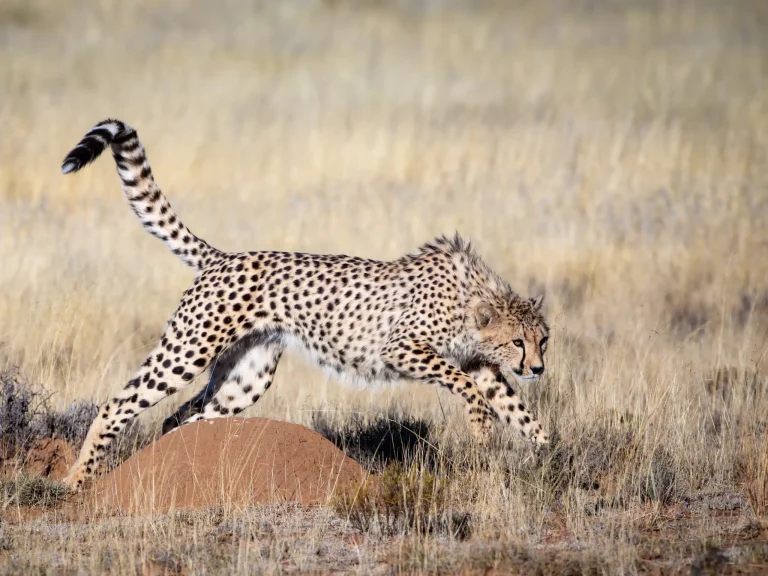
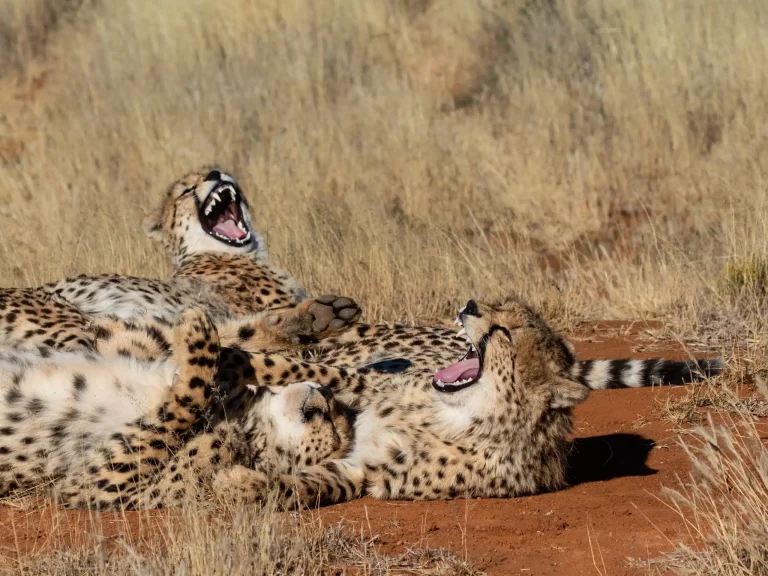
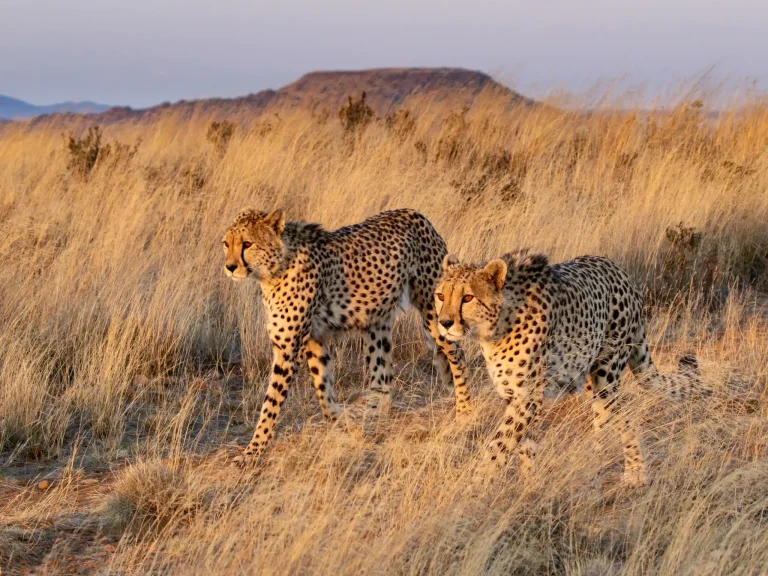
Working alongside conservation professionals, researchers, and environmental partners helps strengthen conservation understanding and practical ecological knowledge.
The Cheetah Wild Project contributes to broader conversations around predator conservation, restoration, biodiversity, and responsible wildlife management.
Knowledge plays an important role in shaping future conservation decisions and environmental stewardship.
Discover one of Kishindo’s most remarkable conservation experiences through wildlife encounters, photography opportunities, and immersive wilderness journeys.
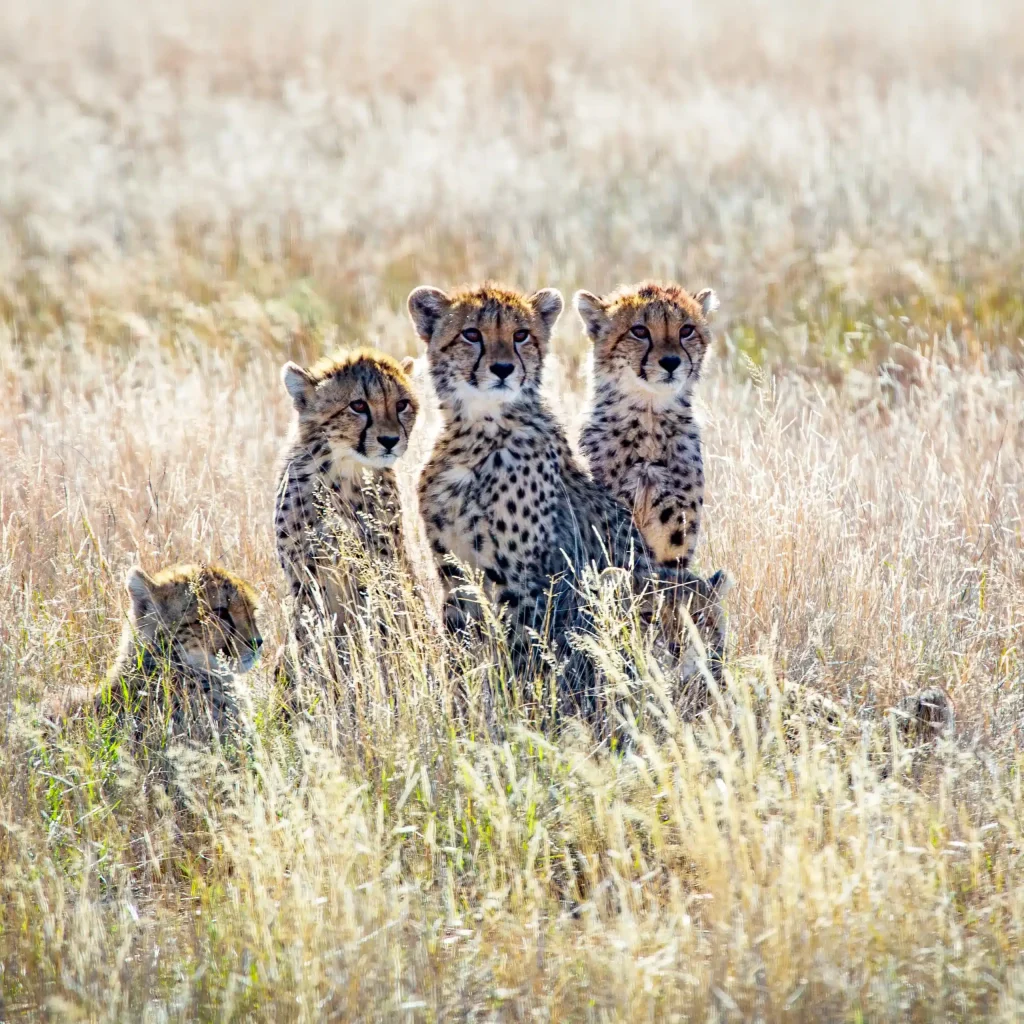
The open grasslands, dramatic landscapes, and natural behaviours of cheetahs create exceptional opportunities for wildlife photography.
Photography helps document conservation stories, inspire awareness, and create stronger emotional connections between people and wildlife.
Every image contributes to a larger conservation narrative focused on restoration, biodiversity, and protecting vulnerable species.
Conservation is built through awareness, stewardship, collaboration, and long-term commitment.
The Cheetah Wild Project reflects Kishindo’s dedication to protecting wildlife, restoring landscapes, and creating a future where nature can continue to thrive.